
Marsha Sakamaki • October 2, 2026
Short notes on health, aging, and prevention.
No noise. No selling. Ever.
Share this Resource:
Why cooler air can still deliver substantial warmth, what infrared sauna research tells us, and how to make your sessions worthwhile.

If you dislike the intensely hot air of a traditional sauna, you might assume sauna simply is not for you. Infrared offers a different experience: you can sit in a cabin with a lower air temperature while your body becomes comfortably warm and begins to sweat.
That difference is more than a matter of preference. It changes how heat reaches your body and may make sauna an appealing option for people who would otherwise avoid it. Understanding the process also helps you choose a session for circulation, physical comfort, or relaxation without relying on exaggerated promises.
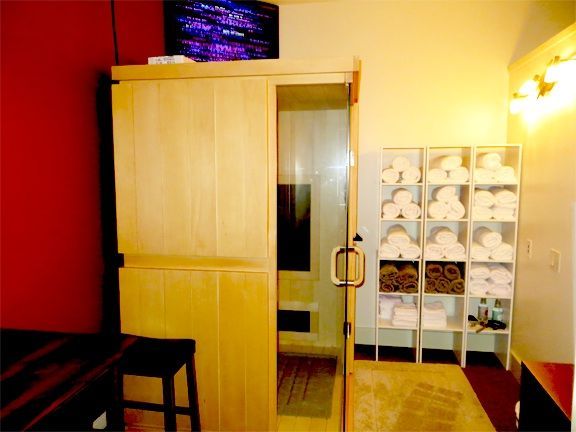
At The Wellness Center for Healthy Living, we use a full-spectrum Sunlighten mPulse infrared sauna. This guide explains what full-spectrum means, where the benefits have support, and how to judge whether sauna is adding value to your routine.
Why infrared feels different
In a traditional sauna, hot air and heat radiating from surrounding surfaces warm your body. An infrared sauna places more emphasis on radiant energy directed toward you, allowing a warming session at a lower cabin temperature. Mayo Clinic identifies this lower-temperature experience as a distinguishing feature of infrared sauna.
Think about standing near a warm fire in a cool room. You can feel heat on your body even though the surrounding air is not especially hot. Infrared sauna uses that same general principle of radiant heat, delivered through its emitters.
Once your body absorbs the energy, it becomes heat. With sufficient exposure, warmth spreads through tissues and circulating blood, and core temperature can rise. Both traditional and infrared saunas can warm the whole body; the difference is how that warmth is delivered.
The cabin thermometer therefore tells only part of the story. How you respond also depends on the emitters, your position, the session length, and your individual heat tolerance.
What “full-spectrum” actually means
Infrared is a range of light beyond the red end of the visible spectrum. Full-spectrum sauna systems include near, mid, and far infrared rather than relying only on far infrared.
These ranges interact differently with tissue. Near infrared generally penetrates farther into skin than longer infrared wavelengths. Far infrared is absorbed much closer to the surface, but the resulting heat can still spread and contribute to whole-body warming. Light penetration and heat distribution are different processes.
Infrared rangeA useful way to understand itNear infraredCan reach farther into skin than longer wavelengths. Certain near-infrared wavelengths are also studied in light-based therapies.Mid infraredContributes radiant heat, with absorption depending on the particular wavelengths emitted.Far infraredIs absorbed mainly near the skin surface and contributes to warming, sweating, and the body’s response to heat.
Full-spectrum describes what a system delivers. It does not assign an exclusive job to each range, such as “skin repair,” “pain relief,” or “detox.”
Research on a particular light-therapy device also does not automatically establish the same effect in a sauna.
Wavelength, intensity, exposure time, and distance all matter. For you, the practical questions are whether the session feels comfortable and whether its effects support the goals that brought you there.
What your body does during a session
As your body warms, it works to manage that heat. Blood vessels near the skin widen, more blood moves toward the surface, sweating helps with cooling, and heart rate may increase.
This is why sitting quietly in a sauna can still involve a substantial physical response. You are resting, but your temperature-control and circulatory systems are active. Infrared heat research has examined these responses as part of supervised therapeutic protocols.
The quiet setting adds another dimension. A session gives you time away from tasks, notifications, and the habit of moving immediately to the next demand. Physical warmth and uninterrupted rest can make a useful combination.
Circulation and cardiovascular support
Circulation is one of the more substantial areas of infrared sauna research. Scientists have studied Waon therapy, a structured treatment that uses a far-infrared sauna followed by a period of warm rest.
In a randomized study of 149 hospitalized patients with heart failure, two weeks of supervised Waon therapy improved walking distance and some measures of heart-failure severity compared with the control group. However, the study did not achieve a significant between-group improvement in its main blood-marker outcome. That detail matters when interpreting its results.
The study shows that infrared heat has been investigated beyond general wellness claims. It also illustrates why the protocol matters: these patients received medical care, monitoring, and a specific schedule. An ordinary sauna visit is not the same treatment.
For everyday use, sauna can be a way to experience warmth and increased skin circulation while resting. Movement remains essential because it develops strength, balance, endurance, and other abilities that sitting in heat does not train.
Muscle soreness, stiffness, and recovery
Warmth can be especially appealing when you feel physically tight or uncomfortable. Infrared-specific studies give us some concrete findings to consider.
A small randomized crossover study involving 16 male basketball players compared a 20-minute infrared sauna session after resistance exercise with passive recovery. The sauna condition improved recovery of jump performance and reduced muscle soreness. Those findings support a possible recovery role, although they do not establish that every person or every type of exercise will respond the same way.
A separate pilot study included 34 people with rheumatoid arthritis or ankylosing spondylitis. Pain and stiffness improved during infrared sessions. Improvements across the four-week treatment period were less conclusive, and disease activity did not meaningfully change.
These results point to a useful distinction: feeling more comfortable can be worthwhile even when the underlying condition has not changed. Less stiffness may make your day easier. Persistent pain, however, still deserves attention to its cause.
If you use sauna after activity, consider the heat exposure alongside the workout you have already completed. A demanding workout followed by a demanding sauna session can leave you depleted. Recovery should account for the total load on your body.
Relaxation and sleep
For some people, the most valuable part of sauna is the opportunity to settle down. A warm, quiet session can become a dependable pause in a busy week.
If you hope it will help your sleep, treat that as something to observe rather than a guaranteed outcome. The basketball recovery study did not find a significant improvement in subjective sleep quality, even though it found benefits for soreness and jump recovery. Different outcomes do not necessarily improve together.
You might find an earlier evening session fits your wind-down routine, with time afterward to cool and rehydrate. Someone else may prefer daytime sessions. Pay attention to whether you feel settled or stimulated afterward and whether your sleep actually changes.
What sweating tells you about “detox”
Sweating is an important temperature-control process. Sweat can contain small amounts of various substances, but finding a substance in sweat does not establish that a sauna session removes enough of it to improve health.
A detailed review of sweat physiology concluded that sweating plays a relatively minor role in eliminating waste products and toxicants compared with other routes, including the kidneys and gastrointestinal tract. It also described difficulties in interpreting sweat measurements, such as contamination from the skin surface.
You can enjoy the feeling of a sustained sweat and leave refreshed without needing to interpret that experience as proof of heavy-metal removal or reversal of past exposures.
Sweat volume is not a score for the success of your session. The useful question is how well the heat exposure suits your body and what you notice afterward.
Weight management: look beyond the immediate scale change
A lower number on the scale immediately after sauna mainly reflects fluid lost through sweating. As you replace that fluid, the weight returns. Sweat physiology explains why a change in hydration should not be confused with a change in body fat.
An increased heart rate also does not provide a reliable calculation of calories burned. This guide does not use the frequently repeated claim that a 30-minute infrared session burns 600 calories.
Sauna may still fit into your weight-management routine through comfort, relaxation, and recovery. Judge its contribution through those outcomes while keeping food choices and physical activity central to changes in body composition.
Skin and immune health
Skin and immunity deserve more than a few broad promises, which is why we explore them in separate articles.
For skin, it helps to distinguish a temporary change in appearance after warmth from a lasting change in skin structure.
For immunity, a useful discussion considers how heat, recovery, and overall health fit together rather than treating the immune system as something that can simply be turned up.
You can explore those subjects here:
- Infrared Sauna and Skin Health
- Infrared Sauna and Immune Health: Supporting the Conditions Your Body Needs
What about longevity?
Sauna has attracted attention partly because long-term Finnish research found associations between frequent sauna bathing and lower cardiovascular and overall mortality.
One widely cited study followed 2,315 middle-aged Finnish men. It was an observational study of traditional sauna use, so it cannot prove that sauna caused the lower risk or give us a lifespan benefit to promise from infrared sessions.
That research provides a reason to investigate heat exposure further. Your immediate reasons for using infrared sauna can be more tangible: physical comfort, a restorative pause, and a routine you enjoy enough to maintain.
How to make your sessions worthwhile
Rather than beginning with “How much heat can I tolerate?”, begin with what you would like the session to help you accomplish.
Before your session
- Choose a goal. Relaxation, everyday stiffness, and post-activity recovery give you something specific to evaluate.
- Arrive hydrated. Avoid beginning already thirsty or depleted from exercise.
- Discuss relevant health conditions and medications. These can affect how you tolerate heat or replace fluid.
- Allow time afterward. Give yourself room to cool, rehydrate, and notice how you feel.
During your session
A first session should help establish your response. Use a comfortable setting and a shorter exposure, following the equipment guidance and the person supervising your visit.
You do not need to remain for the entire scheduled time if you become uncomfortable. Leave the heat if you feel dizzy, faint, nauseated, or unwell. Chest pain, fainting, or significant breathing difficulty calls for medical attention.
After your session
Cool gradually, replace fluid according to your needs, and stand up slowly. If you have a prescribed fluid restriction, your clinician’s instructions should guide hydration.
For future visits, adjust the session around your response. Cleveland Clinic recommends beginning with shorter sessions and lower temperatures rather than pursuing maximum heat immediately.
How often should you use it?
There is no single infrared sauna schedule established as best for every goal and every person. Studies use different equipment, temperatures, session lengths, and treatment schedules.
Begin by learning how you respond to an individual session. If it suits you, choose a repeatable routine and keep a brief record:
What to observeUseful questionComfortDid everyday tension or stiffness improve?RecoveryHow did I feel later that day and the next morning?RelaxationDid the session help me settle down?SleepDid I notice a consistent change?ToleranceDid I leave refreshed or feel drained afterward?
Your observations help you make practical adjustments. If you are tracking a medical outcome, such as blood pressure, use appropriate measurements and discuss the results with your healthcare professional.
Who should check before using sauna?
Heat exposure needs individual guidance if you have unstable heart disease, recent serious cardiovascular events, recurrent fainting, difficulty regulating temperature, or a condition affecting fluid balance. Pregnancy and medications that affect sweating or blood pressure also warrant a discussion with your clinician.
Postpone a session if you are feverish, acutely ill, dehydrated, or have been drinking alcohol. These are practical considerations for using heat well, particularly when your body is already under strain.
Frequently asked questions
Can I benefit if I dislike traditional sauna?
Infrared may be appealing because the surrounding air can be cooler while radiant energy still warms your body. You still need to assess your own heat tolerance, but dislike of intensely hot air does not automatically rule it out.
Is full-spectrum automatically better than far infrared?
Full-spectrum includes additional infrared ranges. Whether that makes a meaningful difference depends on the equipment, exposure, and outcome you want. The label alone does not establish superior results.
Is infrared sauna the same as red-light therapy?
They can involve overlapping parts of the light spectrum, but they are different applications. Light therapies use particular wavelengths and doses; a sauna session emphasizes warming the body. Research from one device cannot simply be transferred to another.
Should I stay longer if I have not started sweating?
Sweating is only one part of your response to heat. Do not extend a session solely to produce more sweat; use comfort, the equipment guidance, and your overall response to help judge the exposure.
Can sauna replace exercise?
Sauna can complement recovery and expose your circulatory system to heat. Exercise also trains muscles, bones, balance, and movement skills. Both can have a place in your routine.
Full-spectrum infrared sauna at our Aiea Center
At The Wellness Center for Healthy Living, our Sunlighten mPulse full-spectrum infrared sauna offers a way to explore heat as part of your wellness routine.
If you are interested in relaxation, everyday physical comfort, or recovery, we can discuss what you hope to get from a session and how you respond. The Center complements medical care and is not a medical clinic.
To ask about infrared sauna sessions or arrange an appointment, call (808) 258-1901.
Note from Marsha
I prefer an infrared sauna because I do not tolerate breathing in intensely hot air. At the Center, I use a full-spectrum Sunlighten mPulse sauna, and that difference in the experience matters to me.
I want you to understand what a session offers so you can decide whether it fits your needs. Circulation, physical comfort, relaxation, and recovery are useful reasons to explore sauna. Pay attention to how you feel afterward and whether regular sessions add something worthwhile to your routine.

Where You Might Want to Go Next?
Infrared Sauna and Skin Health
Explore how infrared sauna relates to skin health and what results you can realistically expect.
Infrared Sauna and Immune Health
Learn how warmth, circulation, relaxation, and recovery fit into the broader picture of immune resilience.
Blue Light Is Not the Enemy. Timing Is.
Discover how the timing of light exposure can support
daytime alertness and better sleep.
Share This: