
Marsha Sakamaki • December 16, 2025
Short notes on health, aging, and prevention.
No noise. No selling. Ever.
What It Supports and What It Doesn’t
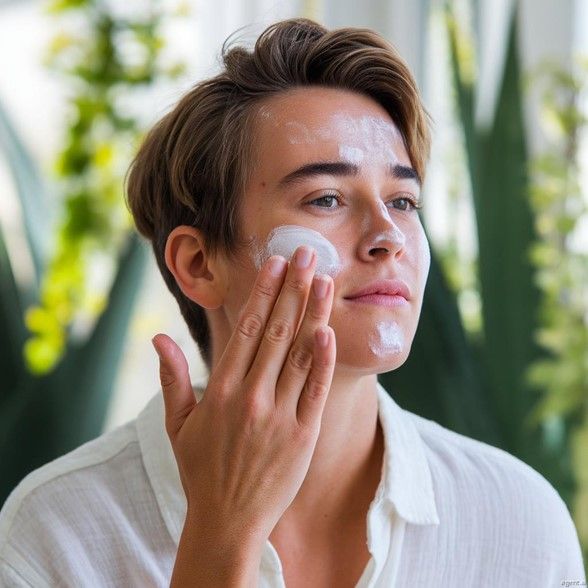
Interest in skin health often focuses on what is applied from the outside, such as creams, serums, or procedures. But skin is also a living organ supplied by blood vessels, lymphatic flow, nerves, and immune cells. That raises a practical question. Can something that improves circulation and internal signaling influence how skin looks and functions over time?
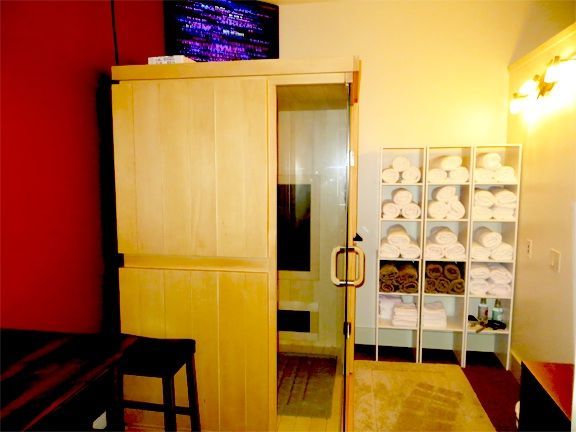
Infrared sauna is often discussed in this context. Some people notice changes in skin tone, texture, or overall appearance, while others do not. Understanding why requires separating physiology from beauty claims.
What people usually mean by “better skin”
When people describe improvements in their skin, they are usually referring to one or more of the following:
- More even tone or color
- A healthier looking glow
- Improved softness or texture
- Subtle changes in firmness or elasticity
- Reduced dullness associated with poor circulation
These are functional and physiological observations, not cosmetic corrections. Infrared sauna does not act on the skin’s surface and does not replace dermatologic care or procedures. Its role is indirect, supporting internal conditions that the skin reflects over time.
How infrared heat interacts with the skin
Infrared sauna differs from traditional sauna in an important way. The heat penetrates tissue more directly rather than relying primarily on heated air. That distinction matters when discussing circulation and tissue response.
Several mechanisms are relevant.
Increased microcirculation
Infrared heat causes blood vessels to dilate, including small capillaries near the skin’s surface. Improved circulation increases oxygen delivery, supports nutrient exchange, and helps remove metabolic byproducts. Skin is highly sensitive to blood flow. Reduced circulation over time can contribute to dullness, uneven tone, and slower repair.
Cellular signaling and heat response
Heat exposure stimulates the production of heat shock proteins. These proteins support cellular repair processes, protein stability, and stress resilience. They do not create younger skin, but they help maintain the internal environment that allows tissues, including skin, to function efficiently.
Lymphatic movement
The lymphatic system clears fluid, cellular debris, and inflammatory byproducts. Unlike blood circulation, lymph movement depends on pressure changes and muscle activity. Heat and sweating can encourage lymphatic flow, which may reduce puffiness and tissue congestion. This can influence how skin appears, particularly in people prone to fluid retention.
Sweating and skin function
Sweating is often overstated as a detox process. The liver and kidneys handle most detoxification. However, sweating supports thermoregulation, engages skin glands, and reflects metabolic activity. When hydration and mineral balance are maintained, regular sweating can support healthy skin function.
What infrared sauna does not do
Infrared sauna does not eliminate wrinkles, reverse sun damage, or replace dermatologic treatments. Collagen remodeling is slow and influenced by age, hormones, nutrition, sun exposure, and genetics. While circulation and tissue signaling matter, infrared sauna is not a cosmetic intervention.
Who is most likely to notice changes
People who report skin related changes with infrared sauna often share certain characteristics:
- Reduced baseline circulation
- Sedentary lifestyle
- Chronic stress or inflammation
- Limited regular heat exposure
- Dehydration, once corrected
In these cases, improving circulation and tissue signaling can produce visible changes over time. People with already strong circulation and skin health may notice little difference.
Where infrared sauna fits realistically
Infrared sauna works best as a supportive practice rather than a primary skin strategy. It tends to complement habits that already support skin health, including hydration, movement, adequate nutrition, sun protection, and sleep.
Like other lifestyle factors, its effects are cumulative rather than immediate.
A practical perspective
Skin reflects what is happening underneath. Circulation, inflammation, hydration, and metabolic health all leave visible fingerprints on how skin looks and behaves as we age.
Infrared sauna supports circulation, cellular signaling, and tissue drainage, internal processes that influence skin health over time rather than acting directly on the skin itself. At The Center, infrared sauna is used as a supportive practice for circulation and tissue health rather than as a cosmetic treatment. You can read more about how infrared sauna is used [here].