
Marsha • September 26, 2026
Short notes on health, aging, and prevention.
No noise. No selling. Ever.
Share this Resource:
Immune resilience depends on more than one response. Heat, circulation, relaxation and recovery may all have a part to play.

When people talk about “boosting” the immune system, they often make it sound as though immunity has a single control knob. Turn it up and you become better protected.
The body does not work that way.
Your immune system is influenced by sleep, stress, circulation, metabolic health, nutrition, physical activity, age and recovery. No single sauna session can replace those foundations. But infrared sauna may support several of the conditions that help the body function and recover well.
That is a more useful way to understand its value.
What happens when your body is warmed?
Inside an infrared sauna, light energy is used to warm the body more directly than the hot air of a traditional sauna. As your body responds to the heat:
- blood vessels widen;
- circulation increases;
- your heart rate may rise;
- sweating begins;
- muscles may feel less tense; and
- the nervous system has an opportunity to shift away from constant activity and toward rest and recovery.
These are not imaginary wellness effects. They are normal physiological responses to heat.
What matters is what those responses may contribute over time. Better circulation helps move oxygen and nutrients throughout the body. Heat may temporarily ease stiffness and muscle tension. Sweating helps regulate body temperature. The quiet, enclosed session also gives many people something that is increasingly rare: uninterrupted time to stop.
None of these effects acts alone. Together, however, they can make infrared sauna a useful part of a broader health-supporting routine.

Where does the immune system fit?
Heat exposure has attracted scientific interest because it affects circulation, inflammatory signaling and cellular stress responses. Researchers are also studying associations between regular sauna use and cardiovascular, respiratory and other health outcomes.
That does not mean an infrared sauna makes you resistant to every virus or directly prevents infection. It means the body’s response to heat may interact with some of the same systems that influence resilience and recovery.
There may also be an indirect benefit that is easy to underestimate.
Chronic stress and inadequate recovery can work against immune health. If regular sauna sessions help you relax, sleep better, recover from physical strain or create a dependable pause in an overloaded week, those effects matter. Supporting the terrain in which the immune system operates can be valuable even when there is no dramatic moment in which you feel your immunity change.
Sweating is useful, but it is not the entire story
Sweating is one of the most noticeable parts of sauna use, so it often receives most of the attention. Its primary job is temperature control. Small amounts of some substances may also leave the body in sweat, but your liver, kidneys, lungs and digestive system remain responsible for most of the body’s ongoing processing and elimination work.
You do not need to believe that every bead of perspiration is carrying away stored toxins to recognize the value of a sustained sweat.
For many people, sweating provides a physical sense of release. It shows that the body is responding to heat, increasing blood flow near the skin and actively regulating its temperature. Afterward, people often describe feeling looser, calmer or refreshed.
The experience is real even when we describe it accurately.
Why infrared may feel different from a traditional sauna
Traditional saunas heat the surrounding air to a high temperature, and that hot air then warms your body. Infrared saunas use infrared energy to warm the body more directly, allowing the cabin to operate at a lower air temperature.
That distinction can matter if you dislike extremely hot air or find a traditional sauna oppressive. You can still experience deep warmth and sweating in an environment that may feel easier to tolerate.
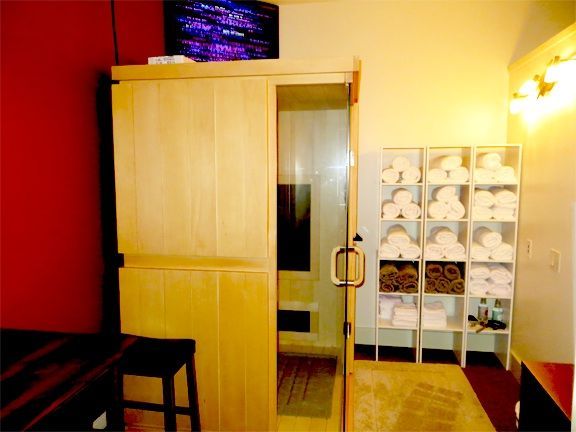
At The Wellness Center for Healthy Living, the Sunlighten mPulse sauna uses three infrared ranges:
- Near infrared is used primarily at the surface and cellular level.
- Mid infrared is associated with circulation and tissue warming.
- Far infrared provides the deeper warming most people associate with an infrared sauna session.
The practical advantage is not that you need to memorize three wavelengths. It is that the full-spectrum system can deliver a more varied infrared experience than a far-infrared-only unit.
One session can feel good. Regular use creates the routine.
People sometimes approach sauna as a rescue treatment: they feel depleted, stressed or uncomfortable, so they schedule one session and hope it will reverse everything.
A single visit may help you feel relaxed or pleasantly warmed. But the larger value of sauna is more likely to come from making recovery a regular practice rather than waiting until your body demands attention.
Regular sessions give you a recurring place to:
- step away from stimulation;
- warm the body without strenuous exercise;
- encourage circulation and sweating;
- release physical tension;
- notice how your body is responding; and
- make recovery part of your health routine rather than an afterthought.
The right frequency is personal. It depends on your health, heat tolerance, hydration, medications and how you respond after a session. More is not automatically better. The goal is to leave feeling supported, not depleted.
Who may appreciate infrared sauna?
Infrared sauna may be especially appealing if you:
- want the warmth of a sauna without the intense air temperature of many traditional saunas;
- have difficulty working up a sweat through exercise;
- want a quiet recovery practice;
- experience everyday muscle tension or stiffness;
- are trying to support circulation and cardiovascular health alongside—not instead of—movement; or
- want a structured reason to stop, rest and pay attention to your body.
Infrared sauna is not appropriate for everyone. If you have unstable cardiovascular disease, very low blood pressure, difficulty regulating body temperature, are acutely ill or have been told to restrict heat exposure, ask your healthcare professional before using a sauna. Hydration also matters, particularly in Hawaiʻi’s climate.
A better question than “Will this boost my immunity?”
Instead of asking whether one treatment will boost your immune system, ask:
Am I regularly creating the conditions that help my body respond, recover and remain resilient?
Infrared sauna can be one part of that answer. It does not replace sleep, nutritious food, movement or medical care. It offers something different: controlled warmth, increased circulation, sweating, relaxation and dedicated recovery time in one session.
That combination is why many people return—not because they expect a miracle, but because they notice that their bodies value the experience.
Note from Marsha
I prefer infrared sauna to the extremely hot air of a traditional sauna. I can settle into the session, allow my body to warm gradually and come out feeling that I have done something supportive without having to endure an environment I dislike.
For me, that distinction matters. A health practice only helps over time if you are willing to continue using it.
Experience the mPulse infrared sauna
If you are curious about how infrared sauna feels, you do not have to decide in advance whether it will become part of your routine. Begin with one carefully paced session and pay attention to your own response—during the heat, immediately afterward and later that day.
The Wellness Center for Healthy Living offers private sessions in our full-spectrum Sunlighten mPulse infrared sauna in Aiea.
Receive 10% off your first infrared sauna visit. Call (808) 258-1901 to schedule an appointment.
Sources
- Laukkanen JA, Laukkanen T, Kunutsor SK. Cardiovascular and Other Health Benefits of Sauna Bathing: A Review of the Evidence. Mayo Clinic Proceedings. 2018.
- Laukkanen JA, et al. Sauna Bathing and Systemic Inflammation. European Journal of Epidemiology. 2018.
- Podstawski R, et al. A Comprehensive Review with a Focus on Finnish Sauna. 2024.
- Hussain JN, et al. Infrared Sauna as Exercise-Mimetic? Physiological Responses to Infrared Sauna Compared with Moderate-Intensity Exercise. 2022.
Share This: