

Blog
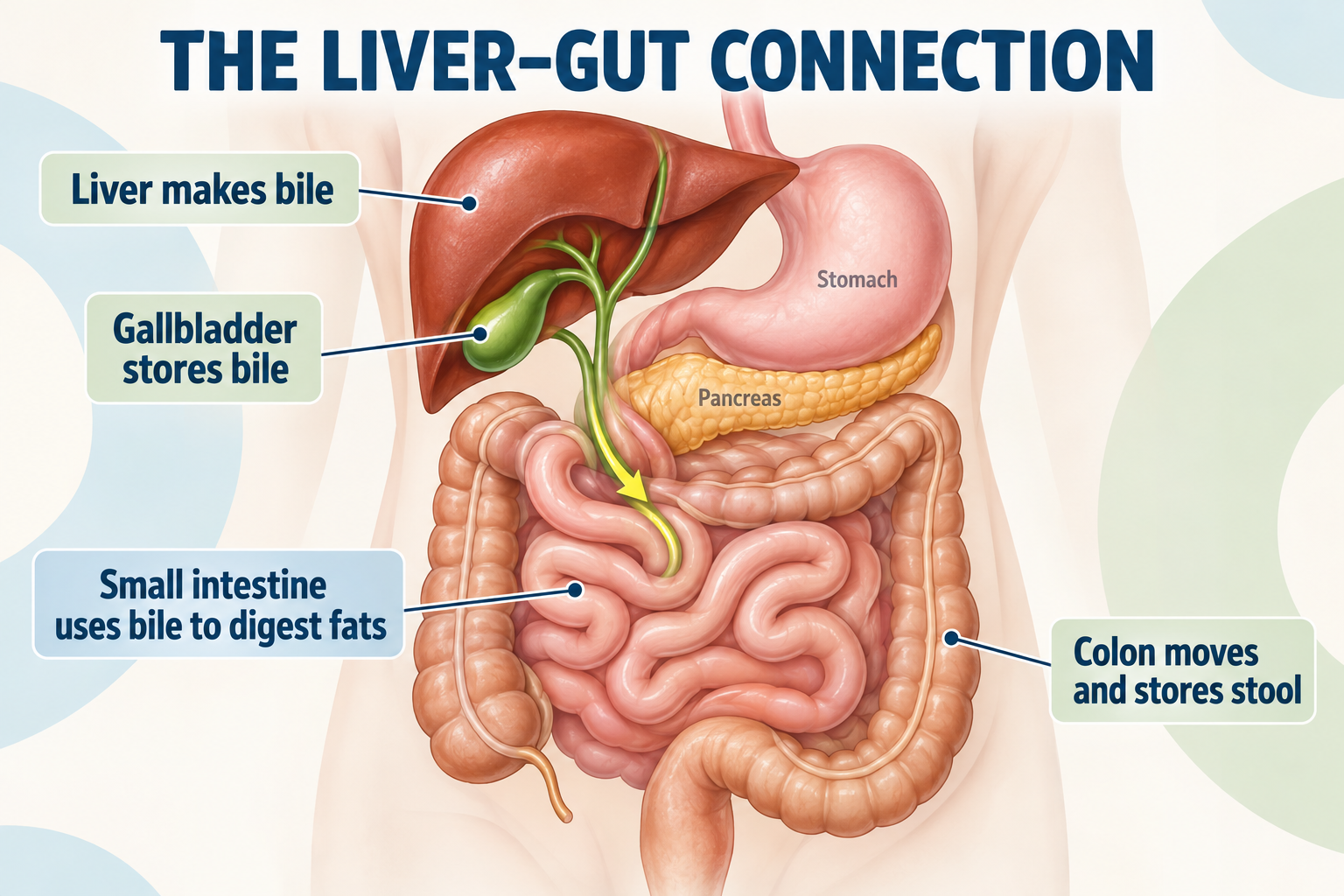
Constipation, gas, or bloating may be linked to liver function. Learn how liver health affects digestion and what can help relieve these symptoms.
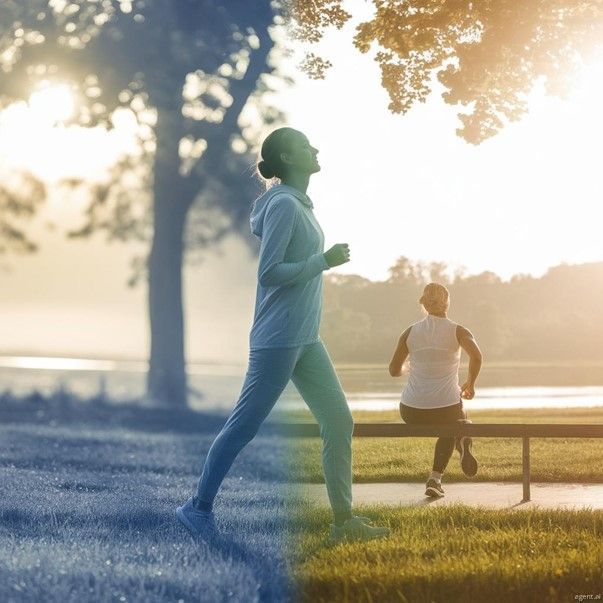
This blog explores the unique health benefits of morning and afternoon light, highlighting how each supports overall wellness. Morning light helps regulate your circadian rhythm, boosts mood through serotonin production, improves sleep quality, and aids in safe vitamin D synthesis. Afternoon light, while less impactful on circadian rhythms, encourages physical activity, stabilizes mood, and promotes relaxation with its warm, golden glow. Practical tips are shared to maximize benefits from both, while emphasizing safety measures like monitoring UV exposure. Whether you prefer a sunrise walk or an afternoon jog, embracing natural light can transform your health and energy levels.

Learn why melanoma can be missed in Asian, Pacific Islander, darker-skinned, and multiracial communities, and what Hawaiʻi residents should know.
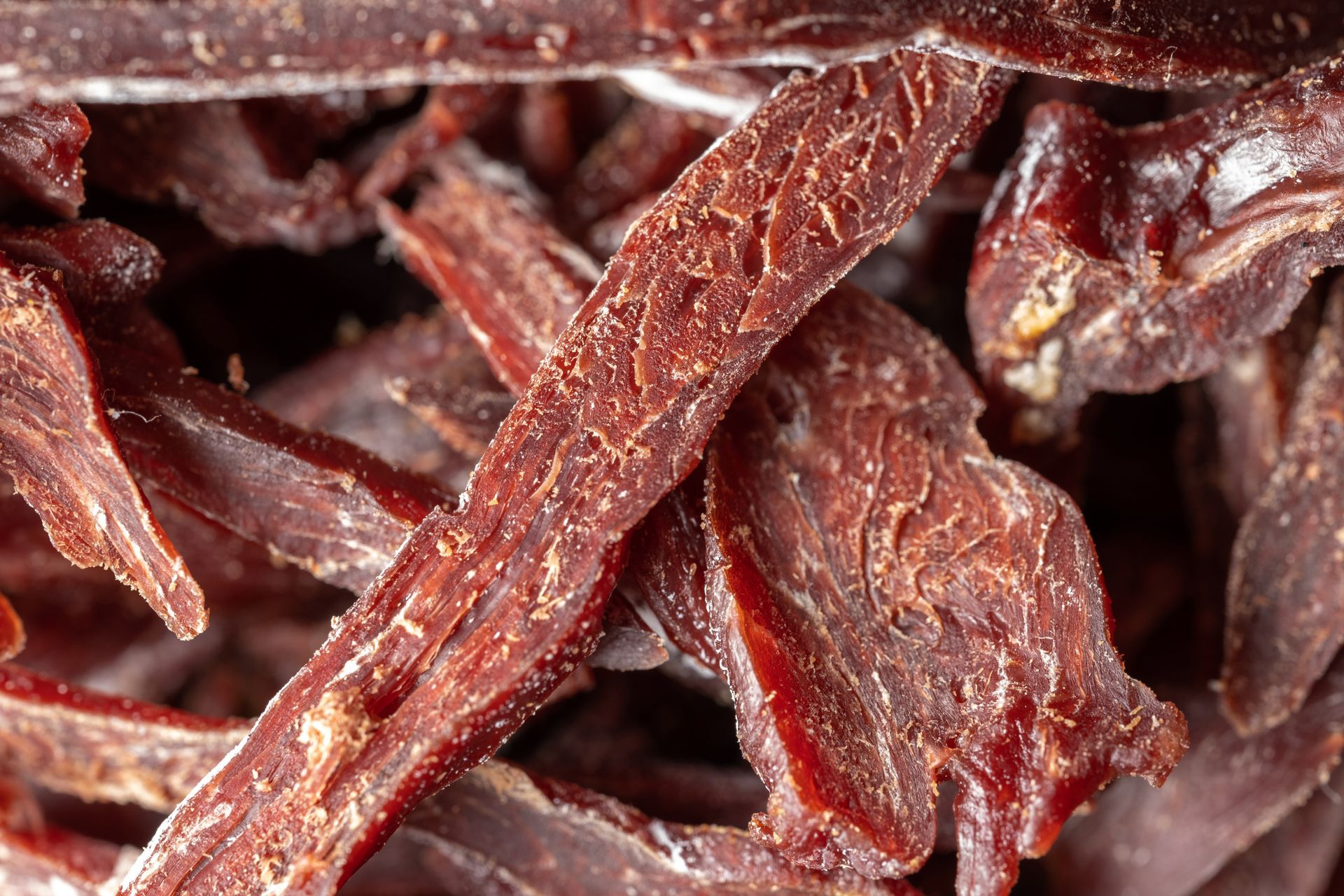
Preservation, protein, and the responsibility behind shelf-stable food
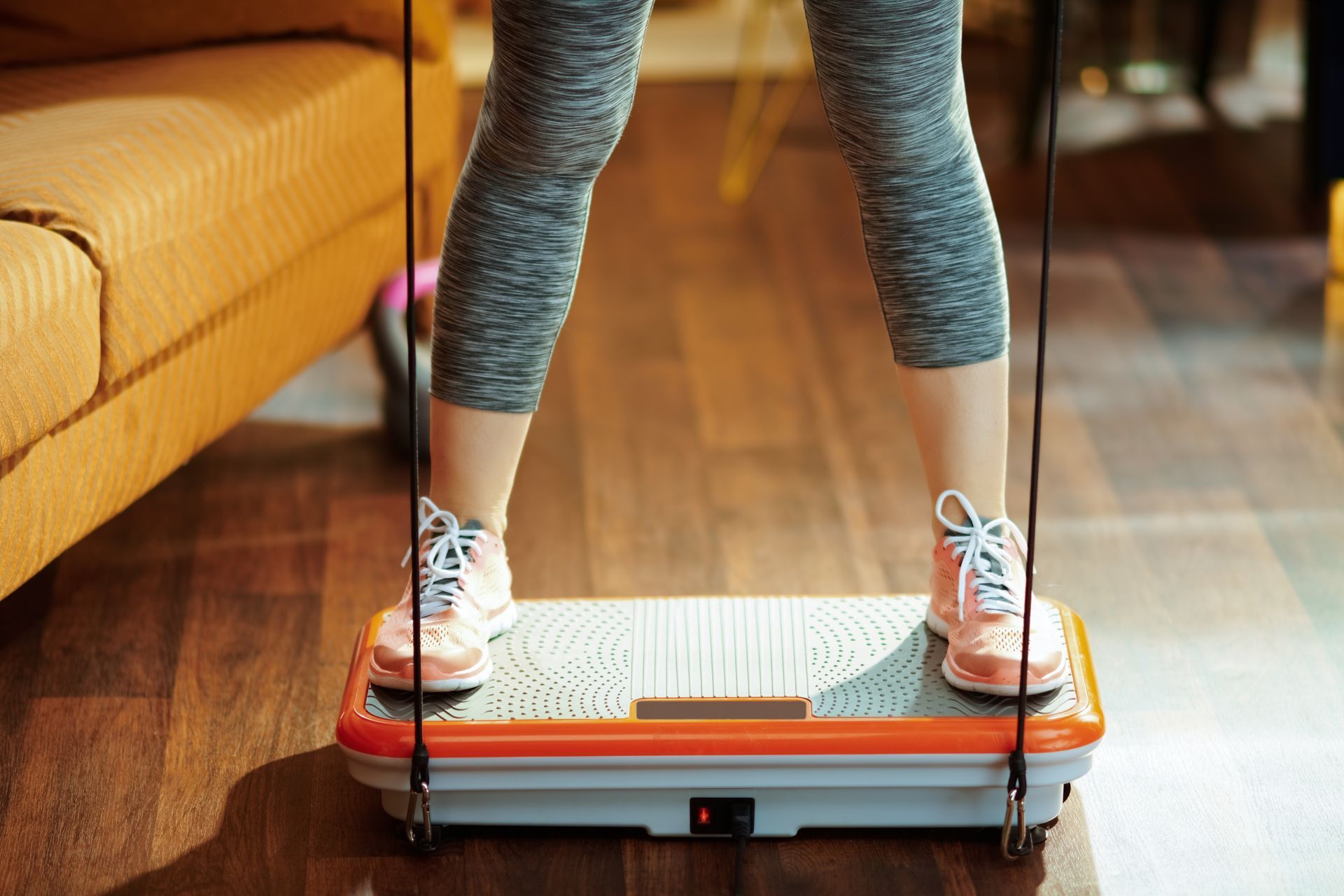
Research shows exercise can reduce depression symptoms, yet real-world capacity and access often limit results outside controlled studies.

In Hawaiʻi’s heat and humidity, food safety depends on timing, handling, and your health. Why everyday foods can become risky when you’re run down.
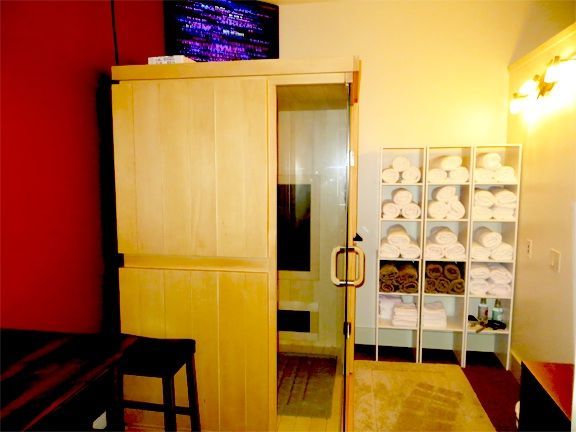
Infrared sauna supports circulation and internal processes that influence skin health over time, without complicated routines or cosmetic claims.

Why screening criteria leave many women out
Learn how to protect and care for your skin using simple, science-based strategies that support healthy aging, hydration, and long-term skin health.
Protect your skin and support healthy aging with simple practical steps