
Marsha Sakamaki • December 7, 2025
Short notes on health, aging, and prevention.
No noise. No selling. Ever.
An expanded wellness guide exploring 30 practical uses, supported by tradition and modern research.

Castor Oil: History, Science, and 30 Proven Remedies
Castor oil has been used for thousands of years across Egyptian, Ayurvedic, Chinese, and early American folk traditions. Modern research identifies ricinoleic acid and other fatty acids in castor oil as contributors to its soothing, antimicrobial, and circulation-supporting effects.
Below are 30 practical ways to use castor oil, grouped by purpose.
These are not medical prescriptions — simply commonly used remedies people find beneficial.
Historical Perspective
- Ancient Egypt: skin care, wound soothing, beauty rituals.
- Ayurveda: digestion support, menstrual discomfort, detoxification, inflammatory skin issues.
- Traditional Chinese Medicine: constipation and lower-abdominal stagnation.
- Early American Folk Healers: laxative and topical anti-inflammatory uses.
The Science Behind Castor Oil
- Castor oil contains ricinoleic acid, known to calm inflammation and irritation.
- Warm castor oil packs encourage circulation.
- Its humectant properties help strengthen the skin barrier and reduce moisture loss.
30 Practical Uses for Castor Oil
- Moisturizer
What to Do: Apply a small amount to dry areas.
Why It Works: Softens the outer skin layer. - Dark Spot Support
What to Do: Dab onto darker areas at night.
Why It Works: May gradually soften hyperpigmentation. - Acne Support
What to Do: Apply a thin layer to clean skin.
Why It Works: Offers antimicrobial benefits. - Scar Support
What to Do: Massage lightly into healed scars daily.
Why It Works: Supports collagen remodeling. - Sun-Stressed Skin Comfort
What to Do: Mix with aloe and apply lightly.
Why It Works: Rehydrates and soothes. - Eczema or Psoriasis Comfort
What to Do: Apply a thin layer to irritated skin.
Why It Works: Helps reduce dryness and support skin barrier repair. - Scalp Massage for Hair Growth
What to Do: Massage warm oil into scalp before washing.
Why It Works: Supports follicle microcirculation. - Dry Scalp Comfort
What to Do: Apply sparingly before washing.
Why It Works: Helps ease flaking and tightness. - Frizz Control
What to Do: Smooth a tiny amount over damp ends.
Why It Works: Helps seal moisture into the hair cuticle. - Split-End Softening
What to Do: Apply to ends before bed.
Why It Works: Conditions dry, brittle strands. - Eyebrow Nourishment
What to Do: Apply with a clean brush.
Why It Works: Conditions hair roots. - Eyelash Conditioning
What to Do: Apply with a clean mascara wand.
Why It Works: Helps reduce breakage. - Occasional Constipation Relief
What to Do: Oral use only under medical guidance.
Why It Works: Stimulates intestinal motility. - Bloating Relief
What to Do: Massage onto the abdomen; apply warmth.
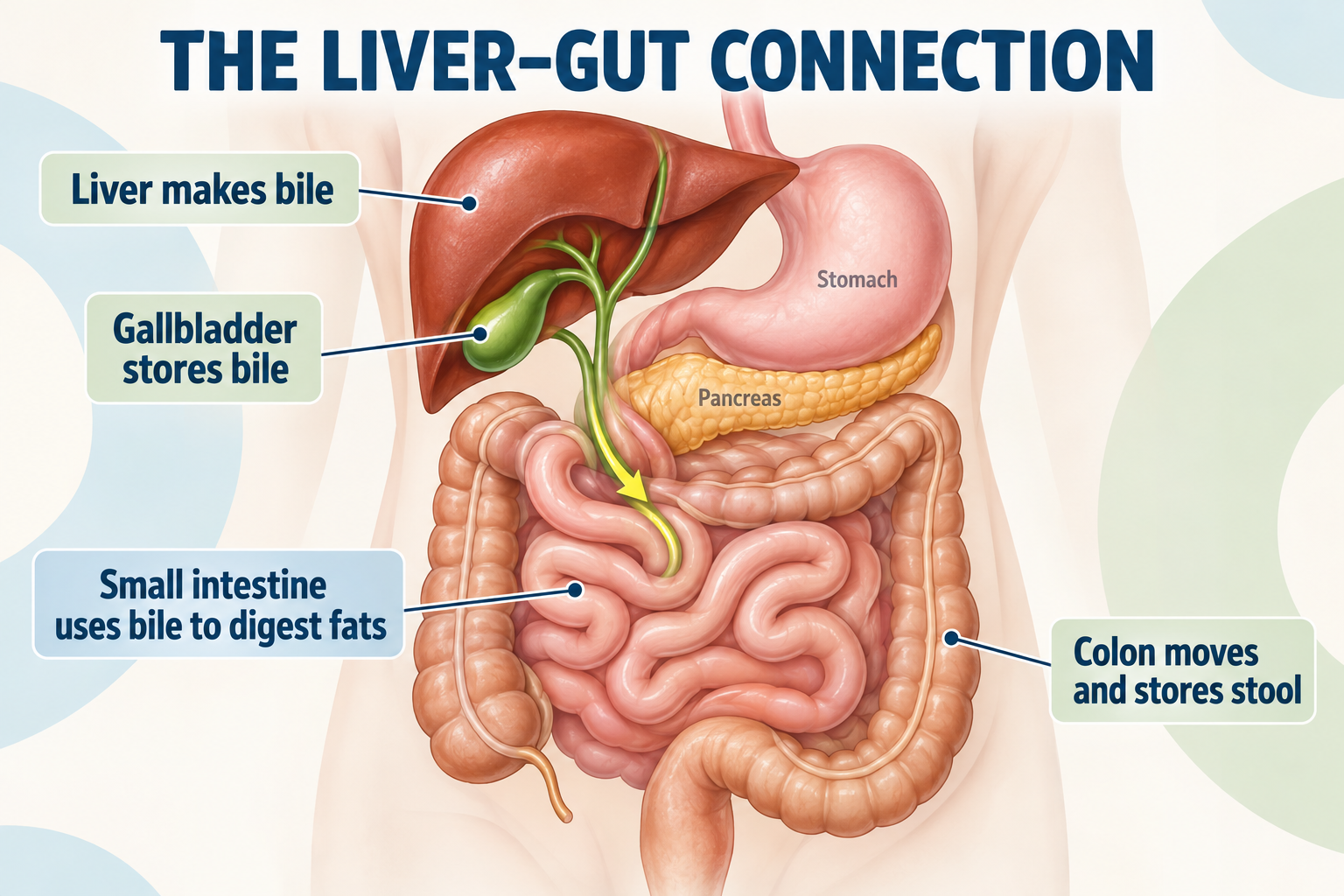
Why It Works: Helps relax digestive muscles. - Gentle Detox Abdominal Pack
What to Do: Apply a castor oil pack for 30–60 minutes.
Why It Works: Supports circulation and lymphatic flow. - Parasite Cleanse Companion
What to Do: Use alongside practitioner-supervised herbs.
Why It Works: Encourages elimination. - Liver-Area Warm Pack
What to Do: Apply warm castor oil pack over liver region.
Why It Works: Traditionally used to support detox pathways. - Menstrual Discomfort Relief
What to Do: Massage lower abdomen; add warmth.
Why It Works: Helps relax uterine muscles.
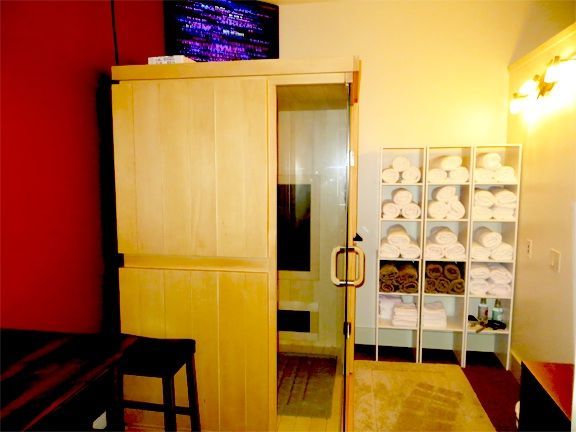
If you’re interested in other gentle ways to support circulation and detox pathways,
you may find my infrared sauna page helpful—it explains how heat therapy encourages
lymphatic flow and supports overall recovery. - Joint Comfort
What to Do: Massage into stiff areas.
Why It Works: Helps ease surface discomfort. - Muscle Recovery Massage
What to Do: Apply after activity; add warmth if desired.
Why It Works: Helps reduce tension. - Headache Tension Relief
What to Do: Massage into temples and base of skull.
Why It Works: Helps relax surrounding muscles. - Heel Softening / Spur Relief
What to Do: Coat heels and cover overnight.
Why It Works: Softens thickened skin. - Arthritis Comfort
What to Do: Use with gentle warmth.
Why It Works: Helps ease stiffness. - Throat & Neck Comfort
What to Do: Massage lightly and cover with a scarf.
Why It Works: Encourages warmth.
For deeper support with joint pain and muscle recovery, the PEMF system
and
infrared sauna at the Center offer benefits that complement topical
remedies like castor oil.
25. Lymphatic Support
What to Do: Apply warm castor oil packs to lymph node areas.
Why It Works: Supports natural lymphatic movement and circulation.
26. Cold-Season Chest Rub
What to Do: Massage castor oil onto chest and neck; add gentle warmth if desired.
Why It Works: Encourages warmth, comfort, and easier breathing.
27. Immune Support Ritual
What to Do: Apply a thin layer to the lower abdomen or chest before rest.
Why It Works: Helps encourage relaxation, which supports immune resilience.
28. Sinus Comfort
What to Do: Apply a small amount around the sinus area (avoid the eyes).
Why It Works: Can help ease surface tension and promote comfort.
29. Breathing Ease
What to Do: Massage gently onto the upper back before bed.
Why It Works: Helps relax surrounding muscles and encourages restful breathing.
30. General Moisture & Repair
What to Do: Use on elbows, knees, hands, or any dry body area before sleep.
Why It Works: Provides prolonged moisture and supports surface repair.
If you’re exploring additional ways to support immune or respiratory health, you
may also want to read about mild
hyperbaric oxygen therapy and the
infrared sauna,
both of which can complement natural approaches.
- Lymphatic Support
What to Do: Apply packs to lymph node areas.
Why It Works: Supports natural lymphatic movement. - Cold-Season Chest Rub
What to Do: Massage onto chest and neck.
Why It Works: Provides soothing warmth. - Immune Support Ritual
What to Do: Apply to soles of feet or lymphatic points.
Why It Works: Traditionally used for resilience. - Sinus Area Comfort
What to Do: Massage around sinuses; apply warm cloth.
Why It Works: Encourages gentle drainage. - Breathing Ease Application
What to Do: Mix a small amount with eucalyptus oil and apply to chest.
Why It Works: Creates a warming effect. - General Moisture and Repair
What to Do: Use on elbows, knees, hands, or dry patches.
Why It Works: Helps restore moisture and softness.
Safety Notes
- Perform a patch test.
- Avoid broken or infected skin unless guided.
- Internal use only with medical supervision.
- Avoid during pregnancy unless cleared.
- Stop if irritation develops.
Five Steps to Begin Using Castor Oil
Choose cold-pressed, hexane-free oil.
- Start with small areas.
- Use thin layers.
- Introduce one remedy at a time.
- Be consistent — castor oil works gradually.
Conclusion:
Castor oil remains one of the few traditional remedies that has endured across cultures for centuries while still holding relevance in modern wellness. Its value comes from its versatility—one bottle can support the skin, hair, digestion, circulation, and everyday comfort in simple, accessible ways. Not every remedy will be right for everyone, but many people find castor oil to be a gentle tool that fits naturally into a self-care routine. If you decide to try it, start slowly, pay attention to how your body responds, and choose high-quality, cold-pressed oil for the best results.