
Marsha Sakamaki • September 12, 2026
Short notes on health, aging, and prevention.
No noise. No selling. Ever.
Uncover the Surprising Link Between Liver Health and Your Gut Troubles
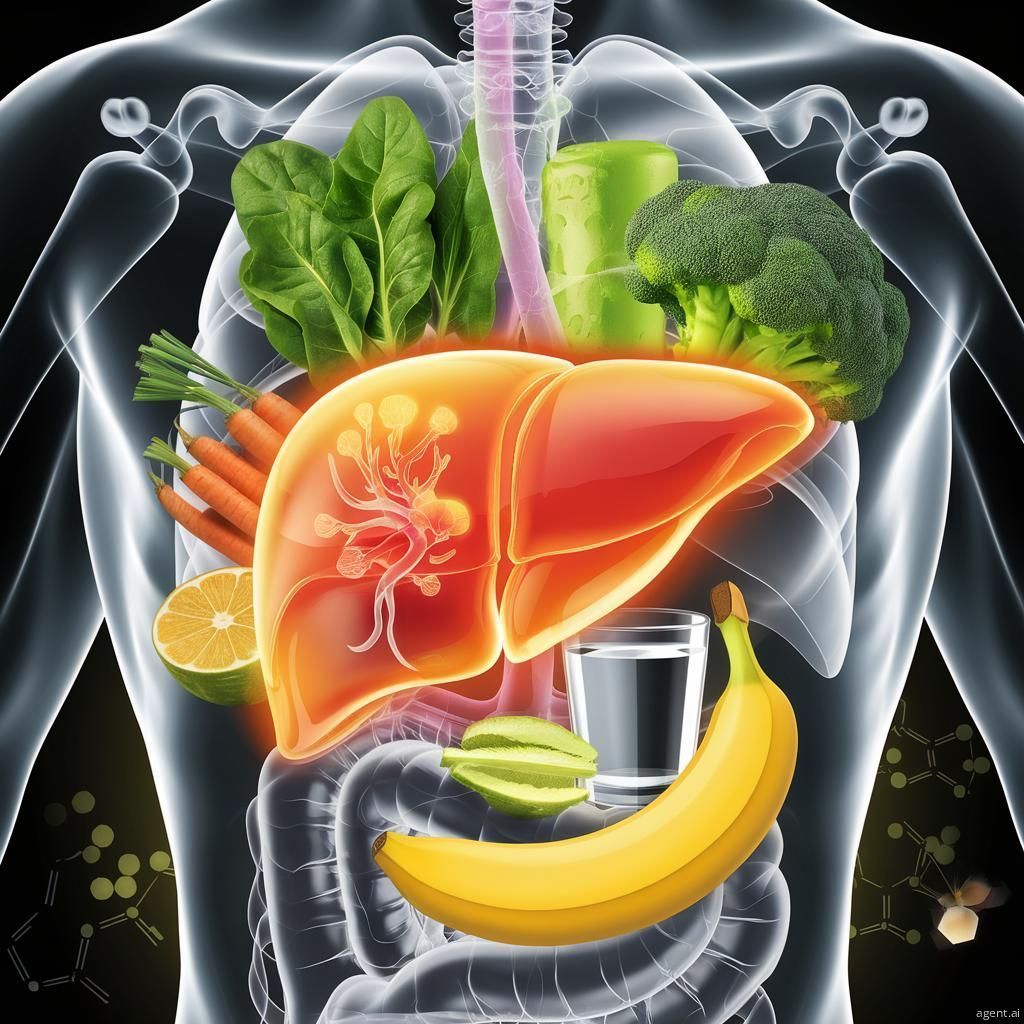
Constipation, gas and bloating are usually blamed on the digestive tract. That makes sense. These symptoms commonly begin with what you eat, how quickly food moves through your intestines, changes in your gut bacteria, medications, stress or conditions such as irritable bowel syndrome.
But your digestive system includes more than your stomach and intestines. Your liver, gallbladder, bile ducts and pancreas also participate in digestion.
Could a liver or bile problem be contributing to your symptoms?
The honest answer is: sometimes, but usually not directly.
Constipation or bloating alone does not mean that you have liver disease. However, understanding the liver-gut connection may help you recognize when ordinary digestive discomfort deserves a closer look.
What Your Liver Contributes to Digestion
Your liver performs hundreds of functions involving metabolism, blood clotting, immune activity, nutrient storage and the processing of substances circulating through your blood.
It also makes bile.
Bile is a digestive fluid that helps your body break down fats and absorb the fat-soluble vitamins A, D, E and K.
The illustration below shows how the liver, gallbladder and intestines work together during digestion.

If disease seriously disrupts bile production or bile flow, digestion and nutrient absorption can be affected. But this is different from saying that an “overloaded” or “sluggish” liver is a common cause of constipation. Those expressions are popular, but they are not precise medical diagnoses.
Is Constipation a Sign of Liver Disease?
Usually, no.
Constipation generally begins with the colon, daily habits, medications or another health condition. Liver disease is not high on the usual list.
This does not mean that liver health should never be considered. It means that constipation by itself is not reliable evidence of a liver problem.

That distinction matters because immediately blaming the liver could delay investigation of more likely causes.
Common causes of constipation include:
- Too little dietary fiber
- Inadequate fluid intake
- Limited physical activity
- Ignoring the urge to have a bowel movement
- Changes in routine, diet or travel
- Slow movement of stool through the colon
- Pelvic-floor problems
- Irritable bowel syndrome with constipation
- Diabetes, thyroid disease and certain neurological conditions
- Medications and supplements, including opioid pain medicines, iron, some antacids and some antidepressants
Constipation may also become more common as you grow older, particularly when activity, food intake, hydration or medications change.
What About Gas and Bloating?
Gas and bloating are also nonspecific symptoms. Common explanations include:
- Swallowing air
- Carbonated beverages
- Rapidly increasing dietary fiber
- Poor absorption of certain carbohydrates
- Lactose or other food intolerances
- Constipation itself
- Irritable bowel syndrome
- Changes in intestinal movement
- Changes in the gut microbiome
Researchers are studying connections among the liver, bile acids, intestinal bacteria and metabolic disease. Differences have been found between the gut microbiomes of people with metabolic liver disease and those without it.
However, researchers have not established that ordinary gas or bloating is evidence of a “toxic liver.”
Bloating and abdominal swelling are not always the same thing
Bloating is a sensation of pressure, fullness or expansion. It often changes during the day and may improve after passing gas or stool.
Ascites is an accumulation of fluid in the abdomen. It can occur with advanced liver disease, but liver disease is not its only possible cause. Heart, kidney and other conditions can also produce persistent abdominal swelling.

New, persistent or increasing abdominal swelling should be medically evaluated, particularly when it occurs with leg swelling, shortness of breath or yellowing of the skin or eyes.
The Gallbladder and Bile Ducts May Be More Relevant
When digestive discomfort appears after fatty meals, people sometimes assume their liver is struggling. The gallbladder or bile ducts may be more directly involved.
Gallstones that do not obstruct a bile duct often cause no symptoms. A blockage can produce sudden pain in the upper-right abdomen, sometimes lasting several hours.
Other concerning symptoms can include:
- Nausea or vomiting
- Fever or chills
- Yellowing of the skin or eyes
- Dark urine
- Pale or unusually light-colored stools
These symptoms require prompt medical attention. A blocked bile duct can lead to serious inflammation or infection involving the gallbladder, liver or pancreas.
Gas and bloating without upper-right abdominal pain or other warning signs are much less specific and have many possible causes.
Fatty Liver Disease Is Often Silent
One reason people wonder whether digestive symptoms come from the liver is that metabolic liver disease is common and frequently undetected.
The condition formerly called nonalcoholic fatty liver disease, or NAFLD, is now generally called metabolic dysfunction-associated steatotic liver disease, or MASLD.
MASLD involves excess fat in the liver together with one or more cardiometabolic risk factors.
Risk rises with conditions such as:
- Type 2 diabetes
- Insulin resistance
- Excess abdominal weight
- High blood pressure
- High triglycerides or abnormal cholesterol
- Metabolic syndrome
Most people with MASLD have few or no symptoms. Constipation, gas and bloating are therefore not dependable ways to determine whether it is present.
Normal liver enzymes do not always rule it out, either. AST and ALT may remain within the laboratory reference range even when fat or fibrosis is present in the liver.
Doctors may consider several pieces of information when evaluating liver health:
- Medical and alcohol-use history
- Medications and supplements
- Metabolic risk factors
- Liver-related blood tests
- Calculated fibrosis scores such as FIB-4
- Ultrasound or other imaging
- Elastography to measure liver stiffness
- Additional testing when indicated
No single symptom or routine blood result tells the entire story.
Related Health Resource: What Can Hide Behind Normal Liver Enzyme Results?
What You Can Do About Constipation
If your symptoms are mild and you do not have warning signs, begin with the most likely explanations rather than assuming that your liver needs to be “detoxed.”
Depending on your health and your clinician’s advice, practical measures may include:
1. Increase fiber gradually
Vegetables, fruits, beans, whole grains and other fiber-containing foods can help stool retain water and move through the colon. Increasing fiber too quickly, however, can temporarily make gas and bloating worse.
2. Drink adequate fluids
Fluid needs vary, particularly if you have heart or kidney disease. Increasing fiber without enough fluid can make constipation worse.
3. Move regularly
Physical activity may help stimulate intestinal movement. The appropriate kind and amount will depend on your health and mobility.
4. Respond to your body’s signals
Repeatedly postponing a bowel movement can contribute to constipation.
Allowing time after a meal, particularly breakfast, may help take advantage of the colon’s natural response to eating.
5. Review your medications and supplements
Iron, calcium-containing antacids, opioid pain medicines and several prescription drugs can contribute to constipation.
Do not discontinue a medication on your own. Ask your healthcare professional whether it could be involved.
6. Look for patterns
Keep track of when the symptoms occur, what you ate, bowel frequency, stool consistency, new medications and associated pain. Patterns can provide more useful clues than a single symptom.
Supporting Liver Health Without “Detox” Claims
Your liver already processes and removes many substances from your body. You do not need to flush or scrub it clean.
Be cautious with products marketed as liver cleanses. “Natural” does not automatically mean safe. Some herbs and concentrated supplements can injure the liver or interact with medications.
The best-supported approaches to metabolic liver health are less dramatic:
- Work toward a healthy weight if you carry excess weight.
- Avoid rapid or extreme weight loss.
- Be physically active within your abilities.
- Eat a varied, minimally processed diet.
- Limit added sugars and heavily refined foods.
- Discuss alcohol use honestly with your healthcare professional.
- Manage diabetes, blood pressure and abnormal cholesterol.
- Review supplements and medications for possible liver effects.
For people with excess weight and MASLD, losing approximately 3% to 5% of body weight may reduce liver fat. Greater gradual weight loss may be needed to improve inflammation or fibrosis.
Even without weight loss, regular physical activity can provide benefits.
These steps support the liver because they improve metabolic health. They are not methods for forcing toxins out through the skin.
When to Seek Medical Care
Contact a healthcare professional if constipation, gas or bloating persists, repeatedly returns or represents a significant change from your usual pattern.
Seek prompt medical attention if you have:
- Blood in your stool or rectal bleeding
- Constant or severe abdominal pain
- An inability to pass stool or gas
- Repeated vomiting
- Fever
- Unexplained weight loss
- Yellow skin or eyes
- Dark urine or very pale stools
- Sudden upper-right abdominal pain
- Increasing abdominal or leg swelling
- Shortness of breath associated with abdominal swelling
These symptoms do not necessarily mean that you have liver disease, but they should not be treated as ordinary digestive discomfort without evaluation.
The Bottom Line
Your liver is part of your digestive system, but it is not a common direct cause of ordinary constipation, gas or bloating.
The connection is more nuanced:
- Your liver makes bile, which is essential to fat digestion.
- The liver, gallbladder, bile ducts, intestines and gut microbiome interact.
- Gallbladder or bile-duct problems can cause digestive symptoms.
- Advanced liver disease can cause persistent abdominal swelling.
- Metabolic liver disease is often silent and may exist even when routine liver enzymes are normal.
- Most constipation and gas begin elsewhere and should be evaluated on their own merits.
Do not ignore persistent symptoms, but do not assume that every digestive problem is evidence of a “toxic” liver.
The better question is not simply, “Is my liver to blame?”
It is:
What is the most likely cause of my symptoms, what other signs are present, and what information would help me evaluate them properly?
Continue exploring: Organs and How They Function
Sources
- National Institute of Diabetes and Digestive and Kidney Diseases: Symptoms and Causes of Constipation
- National Institute of Diabetes and Digestive and Kidney Diseases: Treatment for Constipation
- National Institute of Diabetes and Digestive and Kidney Diseases: Your Digestive System and How It Works
- National Institute of Diabetes and Digestive and Kidney Diseases: MASLD/NAFLD Symptoms, Diagnosis and Treatment
- National Institute of Diabetes and Digestive and Kidney Diseases: Gallstones
- American Association for the Study of Liver Diseases: New MASLD Nomenclature